How Integrative Medicine Is Reshaping Modern Healthcare
Integrative medicine represents a significant shift in how we approach health and wellness. Combining conventional medical practices with alternative and complementary therapies offers a more holistic approach to patient care. This transformation moves healthcare away from a "one-size-fits-all" model toward a system that honors the unique physical, emotional, and spiritual needs of each individual. As the medical field evolves, the synergy between ancient wisdom and modern science is creating a more resilient and personalized healthcare landscape. The goal of this modern approach is to view the body not as a collection of separate parts, but as a complex, unified system where every factor—from nutrition to emotional stability—plays a vital role in longevity.
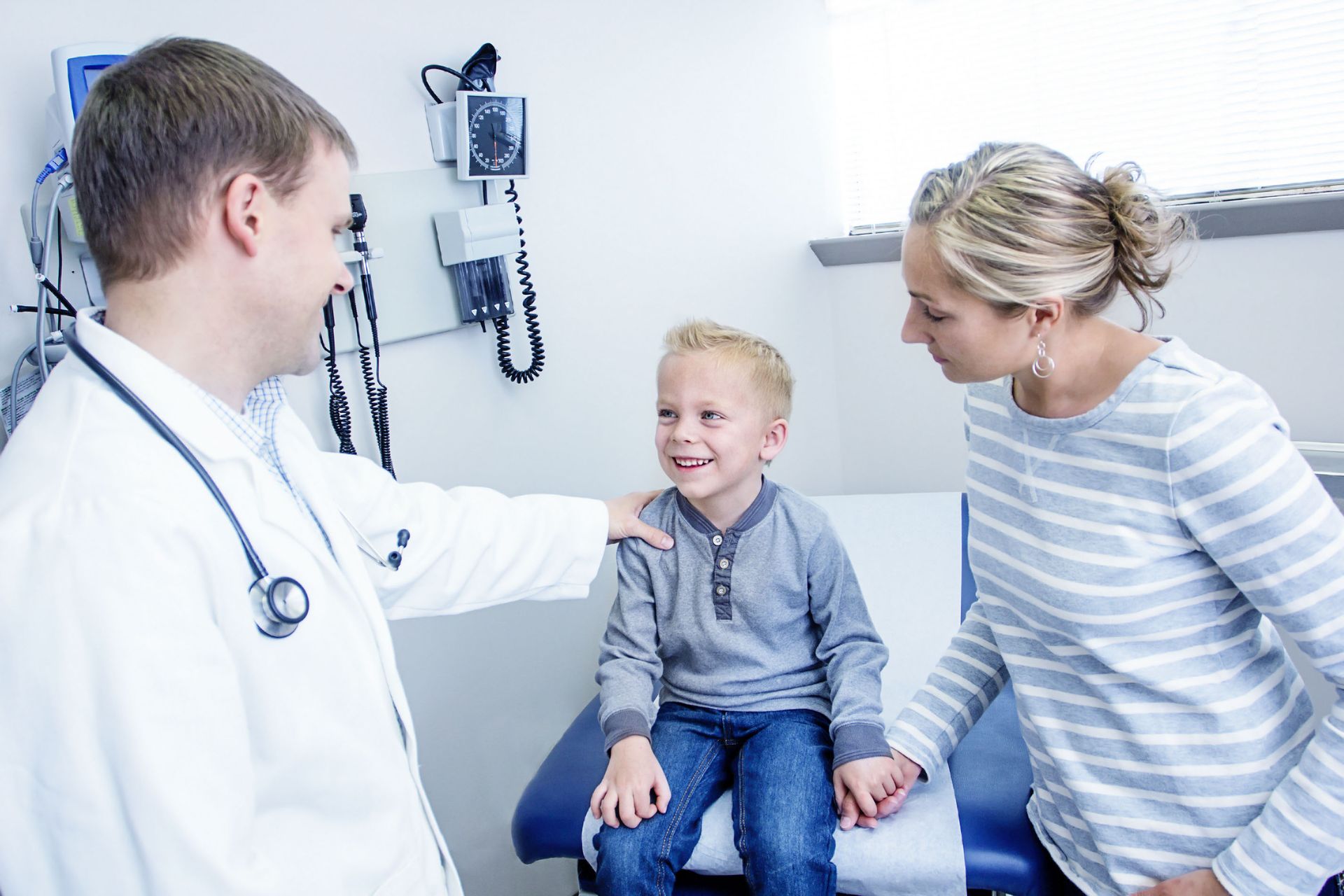
The foundation of this approach is a commitment to proactive maintenance and early intervention. While integrative medicine incorporates diverse therapies, it still values the essential role of preventative screening. According to Healthline, if you're under 45 and in good health, routine checkups with your doctor are typically recommended every 1 to 3 years. These periodic touchpoints ensure that even as you explore complementary paths, you remain anchored in evidence-based monitoring that catches potential issues before they escalate. Consistent checkups allow for a baseline of health to be established, making it much easier for your care team to identify subtle physiological changes over time.
Defining the Origins and Philosophy of Integrative Care
Understanding integrative medicine requires delving into the traditional practices, such as acupuncture and herbal medicine, that have shaped it for millennia. These traditions emphasize the connection of body, mind, and spirit, which contrasts with the more paternalistic, symptom-focused models of the past. The core philosophy centers on a whole-person approach, addressing the root causes of illness rather than merely suppressing symptoms. This paradigm values the partnership between patient and provider, fostering an environment of respect and empathy where treatment plans are tailored to individual preferences and values. Practitioners often spend more time with patients to understand the environmental and social factors that might be influencing their physical health.
Comparing Conventional and Integrative Treatment Models
Comparing treatment models highlights key differences in focus: conventional medicine often emphasizes acute disease management through pharmaceuticals and surgery, while integrative medicine prioritizes preventive care and lifestyle modification. Lifestyle medicine is a pivotal element here, evaluating the impact of nutrition, exercise, sleep, and stress on chronic conditions like diabetes or heart disease. While pharmaceuticals remain critical for acute care, integrative practices advocate for natural remedies as part of a balanced plan, encouraging active patient participation. This convergence allows practitioners to capitalize on the strengths of each system, creating a synergy that optimizes long-term patient engagement and health results. By focusing on nutrition as a primary intervention, patients often find they can reduce their reliance on certain medications under professional supervision.
Incorporating Alternative and Complementary Therapies
Alternative therapies, such as acupuncture and acupressure, play vital roles in managing pain and enhancing well-being within an integrative framework. Acupuncture utilizes thin needles to stimulate specific points on the body, while acupressure achieves similar goals through physical pressure; both aim to optimize the body's natural healing processes. Herbal medicine and mind-body techniques like meditation or Tai Chi further support this holistic strategy by focusing on the link between mental and physical health. These techniques are often used to manage the side effects of conventional treatments, such as chemotherapy-induced nausea or chronic post-surgical pain. Additionally, personalized dietary supplements and therapeutic massage are recognized as effective adjuncts to medical treatments, helping to alleviate stress and improve circulation in a way that aligns traditional wisdom with modern scientific data.
Addressing Mental Health and Emotional Well-being
Integrative medicine provides innovative strategies for addressing anxiety, depression, and stress by acknowledging the profound connection between the mind and the body. By incorporating mindfulness, yoga, and meditation, patients can cultivate psychological resilience and manage physiological stress responses more effectively. In treating depression, the emphasis shifts to a hybrid model that blends traditional psychiatric care with nutritional support and exercise programs. These varied tools pave the way for a deeper understanding of mental health, often leading to better therapeutic engagement and improved outcomes by treating the person rather than the disorder in isolation. Integrating gut-health strategies, such as probiotic therapy, has also shown promise in supporting emotional regulation and brain health.
Navigating Current Challenges and Criticisms
Despite its growth, the integration of holistic practices into mainstream systems faces hurdles, particularly regarding scientific validation and regulatory licensing. Critics often call for more empirical research, while proponents point to a growing body of evidence-based data supporting the efficacy of treatments like yoga for chronic pain or mindfulness for stress. Cost and accessibility remain significant barriers, as many insurance plans are still catching up to the personalized nature of integrative care. Managing patient expectations is equally critical; clear communication is necessary to align therapeutic realities with patient hopes, ensuring that "natural" is never equated with "unregulated" or "unproven." Patients need to work with licensed professionals who can safely navigate the interactions between botanical supplements and prescription drugs.
Embracing Personalized Medicine and Technological Innovation
The future of integrative medicine is characterized by the intersection of medicine and technological innovation. Advances in genetics allow for healthcare tailored to individual environmental and lifestyle factors, while technology offers platforms for tele-health, continuous health tracking, and digital support communities. This evolution demands enhanced training for providers to ensure that interdisciplinary collaboration becomes the standard of care. As global connectivity increases, the field continues to harmonize diverse healthcare philosophies, blending cross-cultural knowledge with high-tech monitoring to ensure that the "whole-person" approach is supported by the most accurate data available. Wearable devices now allow patients to track their own physiological responses to lifestyle changes, providing real-time feedback that empowers them to make healthier choices daily.
Integrative medicine is significantly reshaping modern healthcare by offering a more inclusive and comprehensive approach to treatment and wellness. Its focus on the whole person, combined with evidence-based practices, promotes better patient outcomes and satisfaction. Despite existing challenges, this model is poised to gain further prominence as healthcare continues to evolve toward more personalized and patient-centered approaches. By bridging the gap between conventional interventions and holistic therapies, we are entering an era where health is defined not just by the absence of disease, but by the presence of vitality. This approach encourages us to look beyond the pharmacy and the operating room to find healing in the food we eat, the movements we perform, and the thoughts we cultivate.
This holistic awakening signals a future where every individual has the tools and support to navigate their own unique path to well-being. By embracing a diverse array of therapeutic options, we empower patients to take ownership of their health journey in a way that feels authentic and effective. The integration of these various disciplines fosters a medical environment that is as compassionate as it is scientifically rigorous. As we continue to refine these practices, the potential for individual and community-wide healing grows exponentially. Furthermore, the commitment to regular checkups and preventative maintenance ensures that these natural paths are always supported by the safety net of modern diagnostics. We invite you to explore how these comprehensive methods can support your own health goals and contribute to a more vibrant life. Ready to start your holistic health journey? Reach out to our specialists today to schedule a consultation and discover how a personalized plan can help you achieve your wellness goals!








Share On: